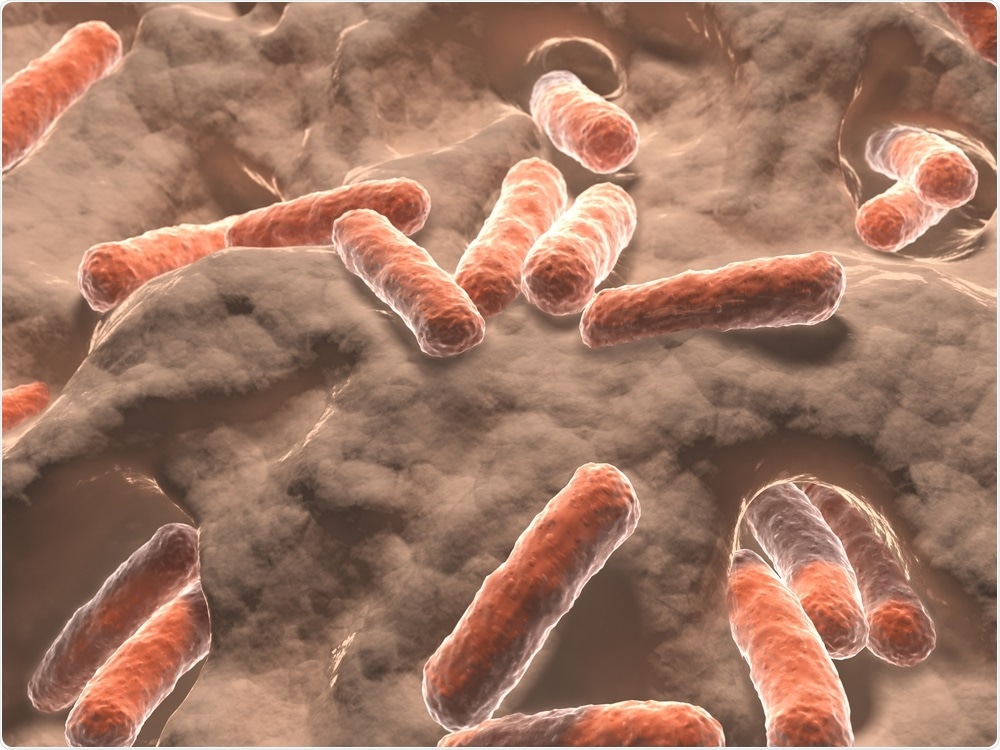
A new studyöfrom Lingköping University in Sweden and the University of Florida has actually revealed that the gut microbiome of children with a high genetic threat of developing type 1 diabetes is considerably different from children who have a low threat of establishing the condition.
The new research study suggests that a private’s response to environmental elements that contribute to the development type 1 diabetes is affected by hereditary aspects, and claims it is the very first to report substantial associations in between genetic threat and modifications in the gut microbiome.
Type 1 diabetes is an autoimmune condition in which the levels of blood sugar end up being expensive due to an absence of insulin produced by the body.
The condition impacts 422 million individuals worldwide, according to data released by the World Health Company, and is a major cause of blindness, renal failure, stroke, and lower-limb amputations.
Both type 1 and type 2 diabetes have actually been thoroughly studied due to the fact that of their extreme effects, but the particular accomplice used in this new study is “distinctively important”, as described by Johnny Ludvigsson, senior professor in the Department of Clinical and Speculative Medicine, Linköping University, and senior expert at HRH Crown Princess Victoria Kid’s Hospital, Linköping University Healthcare Facility.
The All Babies in Southeast Sweden (ABIS) friend used in this new research study aims to learn why kids establish autoimmune illness, in specific type 1 diabetes.
The friend consisted of 17,055 children born between 1997 and 1999, who have been kept track of since birth with questionnaires covering information on duration of breastfeeding, antibiotic use, and diet plan, and biological samples (blood, urine, hair, and stool). The children were kept track of at ages 1, 3, 5 and 8, and older.
Bacterial variety was substantially various in children with a high danger of diabetes
This new research study, released in Nature Communications, consisted of 403 children whose genetic threat was analyzed by studying the connections between hereditary predisposition and their gut plants, with a concentrate on variations in the human leukocyte antigen (HLA) genes:
“& ldquo; Susceptibility to many human autoimmune illness is under strong genetic control by class II human leukocyte antigen (HLA) allele mixes. These genes stay by reasonable the biggest risk elements in the development of type 1 diabetes and celiac illness. Despite this, little is learnt about HLA affects on the structure of the human gut microbiome, a prospective source of ecological influence on the illness.”
Particular bacterial species were not discovered at all in children with high hereditary threat, but were discovered in those with low or no risk,” Ludvigsson said. “ This is very fascinating, as this might mean that certain types have protective effects and may work in future treatment to avoid autoimmune illness.
“& ldquo; It might be that certain types can not survive in people with high hereditary threat.”
The research study recommends that 2 family members of germs Peptostreptococcaceae, Intestinibacter and Romboutsia, are “& ldquo; regularly associated with lower hereditary danger HLA genotypes”& rdquo;, which may mean how to avoid type 1 diabetes by lowering the functions of these gut germs in high threat genotypes.
It also recommends that probiotics have “& ldquo; great prospective & rdquo; to assist in modifications in the microbiome to prevent or enhance type 1 diabetes, among other autoimmune diseases.
A different study found that impaired function of the digestive tract epithelial barrier possibly connected to the make-up of gut microbiota was found in individuals with type 1 diabetes.
The authors recommended that these aspects were might be responsible for poor glycemic control. They investigated the impact of prebiotics on children with type 1 diabetes, and concluded
“& ldquo; Prebiotic supplementation, specially oligofructose-enriched insulin, is a potentially novel, economical, low-risk treatment addition for T1D that may improve glycemic control,” & rdquo; advancing the evidence that pre- and pro-biotics might play an essential role in avoiding type 1 diabetes.
Future research study is needed to get a deeper understanding of the impacts of genes and gut flora on type 1 diabetes occurrence, which might in turn benefit the understanding and treatment of other autoimmune illness such as celiac disease and rheumatoid arthritis.
Journal referral:
Russel, J. T., et al. (2019 ). Hereditary threat for autoimmunity is connected with unique changes in the human gut microbiome. Nature Communications. https://www.nature.com/articles/s41467-019-11460-x